Kingsley.

Kingsley Liu · 刘少平 · 2026

Take the mess on the frontline,
make it reusable.

Nine years (2017–2026) in IT support and customer service management. I have run factory testing for IP phones and second-line support for 200+ enterprise clients nationwide, and covered 2000+ endpoints and 100+ live rooms; later, at a remote SaaS company, I built a 24-person technical service organisation from scratch (5 technical support, 19 front-line agents) and established an SLA of ≤10-minute response. One thread runs through all of it: turn recurring failures into process, platforms, documentation and scripts.

Based in
Tianhe, Guangzhou
Focus
IT support / service management / service automation
Languages
Native Chinese · English at working proficiency (CET-6)
Status
Open to opportunities

01About

Firefighting,
rewritten as prevention.

Over the past year my focus has been AI and automation: a service operations platform, an AI ticket assistant, an automated ticket-handling system, an invoice POC and automated weekly reports. My technical grounding is Windows / macOS / Linux / Android / iOS, AD domain services, TCP/IP, VLAN, VPN, SIP and Cisco. For collaboration I use Confluence, DingTalk and Jira; SOPs and FAQ systems are part of the daily work.

Before that, a remote SaaS company. I built and managed a 24-person technical service organisation (5 technical support, 19 front-line agents) from scratch: defined OKR and performance review, optimised scheduling and triage, and cut the online queue from 30 minutes to 2 minutes for VIPs and 15 minutes for free users. I led the rebuild of the help centre and FAQ system and set up the internal knowledge base. Personally I handled 300+ complex second-line tickets a month, took high-risk and reputation-sensitive cases as the named contact, and held the annual resolution rate at 94–97%.

A few years earlier I provided endpoint and live-stream technical support at an online education company — standardisation and AD account automation across 2000+ Windows and macOS machines, day-to-day cover for 100+ live-stream rooms. Before all of that came second-line support and factory quality work at a communications equipment manufacturer, remotely and on site for 200+ enterprise clients nationwide.

It began at the factory test bench for IP phones. Those years taught me two things: first-pass yield can be designed, and a production line does not need heroes, it needs an SOP.

Projects and employers on this site are anonymised: no real company or product names, only the responsibilities, methods and quantified results that are safe to publish.

Key numbers

02Skills

Said plainly: I can hold the frontline,
and build the process and tools behind it.

01 Second-line support & hard troubleshooting the layer behind the front line
  • 300 complex second-line tickets a month; named contact for high-risk and reputation-sensitive cases, tracked to closure, annual resolution rate 94–97%
  • Client app failures, audio/video codecs, mobile compatibility, remote-control session stability
  • Endpoints: Windows / macOS / Linux / Android / iOS
  • Networking: TCP/IP, VLAN, VPN, SIP, Cisco gear — call drops, registration failures and isolation issues, diagnosed remotely and on site
  • Beyond my authority or the team’s capability: hand over full context to engineering and product, track it to closure and push the product fix
02 Endpoints, accounts & fleet operations at scale
  • AD account lifecycle automation for joiners and leavers (PowerShell)
  • Permission group policy refined down to 6 OU levels
  • Standardisation of 2000+ Windows / macOS machines: custom images, software distribution, patching, anti-virus
  • Unattended bulk deployment on TFTP + DHCP + FTP: 15 minutes per device down to 3
  • Live-stream assurance: 100+ live rooms, 300+ sessions a day, audio tuning and client debugging, faults recovered within 3 minutes, total interruption time down 50%
03 Service process & metrics promises written as numbers
  • SLA design and attainment: first response ≤ 10 minutes; hotline average response inside 8 minutes, SLA attainment 98%
  • First-contact resolution above 90%; average fault recovery for enterprise clients held inside 30 minutes
  • Queueing and triage graded by user tier and risk: a 30-minute queue cut to 2 minutes for VIP and 15 minutes for free users
  • Built and managed a 24-person technical service organisation (5 technical support, 19 front-line agents): OKR, performance review, scheduling and triage
  • Domestic and overseas support process: intake → analysis → resolution → feedback → follow-up, with a unified SLA of ≤10 minutes and one cross-region standard
04 Knowledge base & documentation so answers get found
  • Led the rebuild of the official help centre and FAQ system; self-service resolution up 25%, 20+ documents refreshed monthly
  • 200+ solutions captured in the internal knowledge base, front-line retrieval efficiency up 40%
  • 80+ documents including the live-room emergency handbook; plus factory-test SOPs and product upgrade guides
  • Tooling: Confluence, Jira, DingTalk
05 Automation & solo development one person can still ship
  • Self-built service operations platform (FastAPI + Vue 3 + Docker), solo-iterated to v3.4.0
  • Chrome extension and Service Worker development; retrieval-augmented generation against a local large-model endpoint
  • Built an automated ticket-handling system on an agent framework, with reusable skills captured
  • One year of vibe coding: AI-built service backend, invoice POC and automation tools
06 Languages & cross-team work the technical contact point
  • English as a working language (CET-6): documentation, training material and external demos written directly in English
  • Worked as the technical representative with product, engineering, algorithm, operations and production teams
  • Front-line feedback routed into the product under three grades: bug, experience improvement, feature request

Every line above maps to a project or an entry in the experience timeline further down, so it can be cross-checked. Company and product names are anonymised.

03Selected Work

Eight projects in three different directions: independent development, product design, operations and quality.

Showing all 8 projects

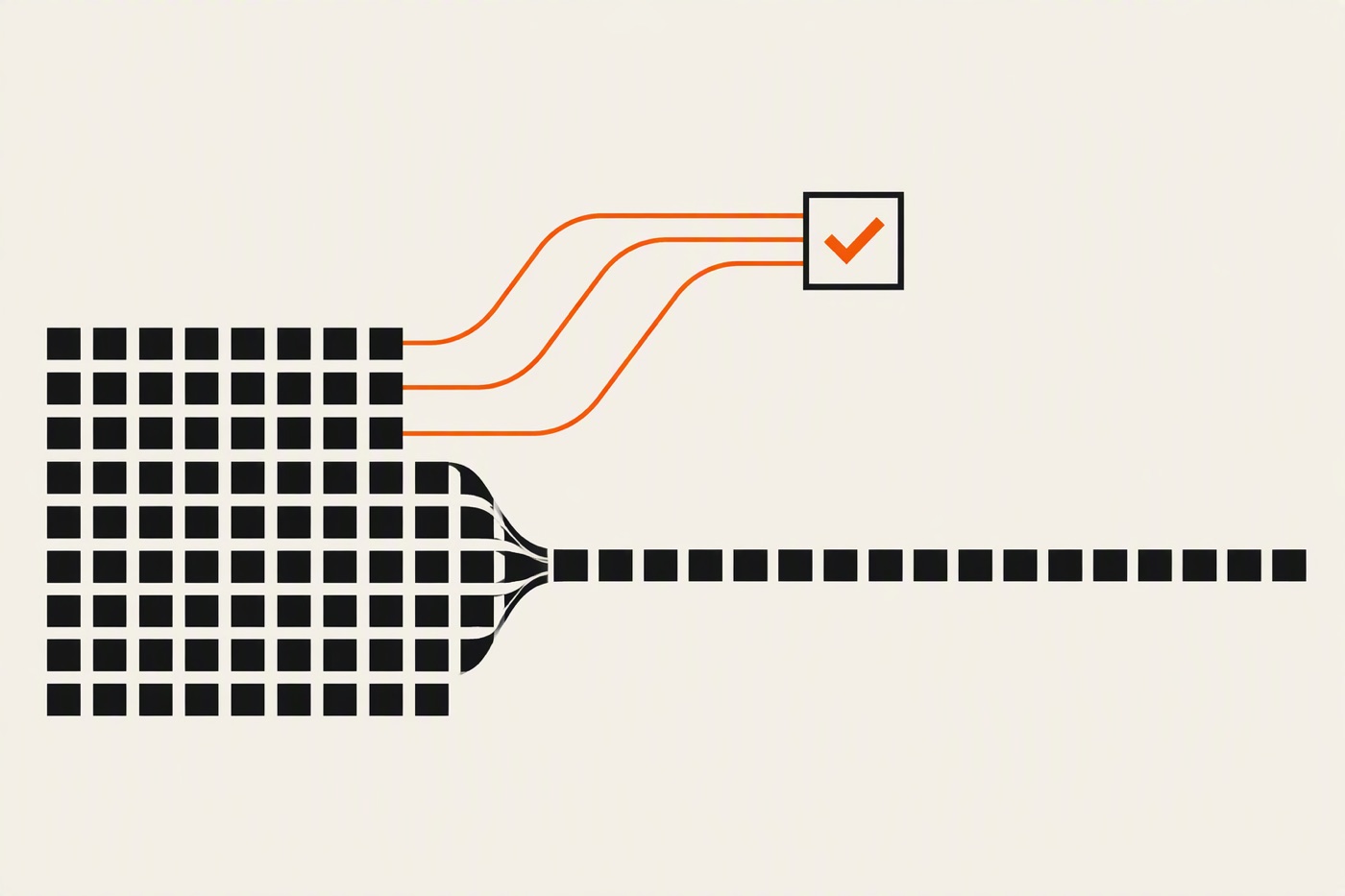
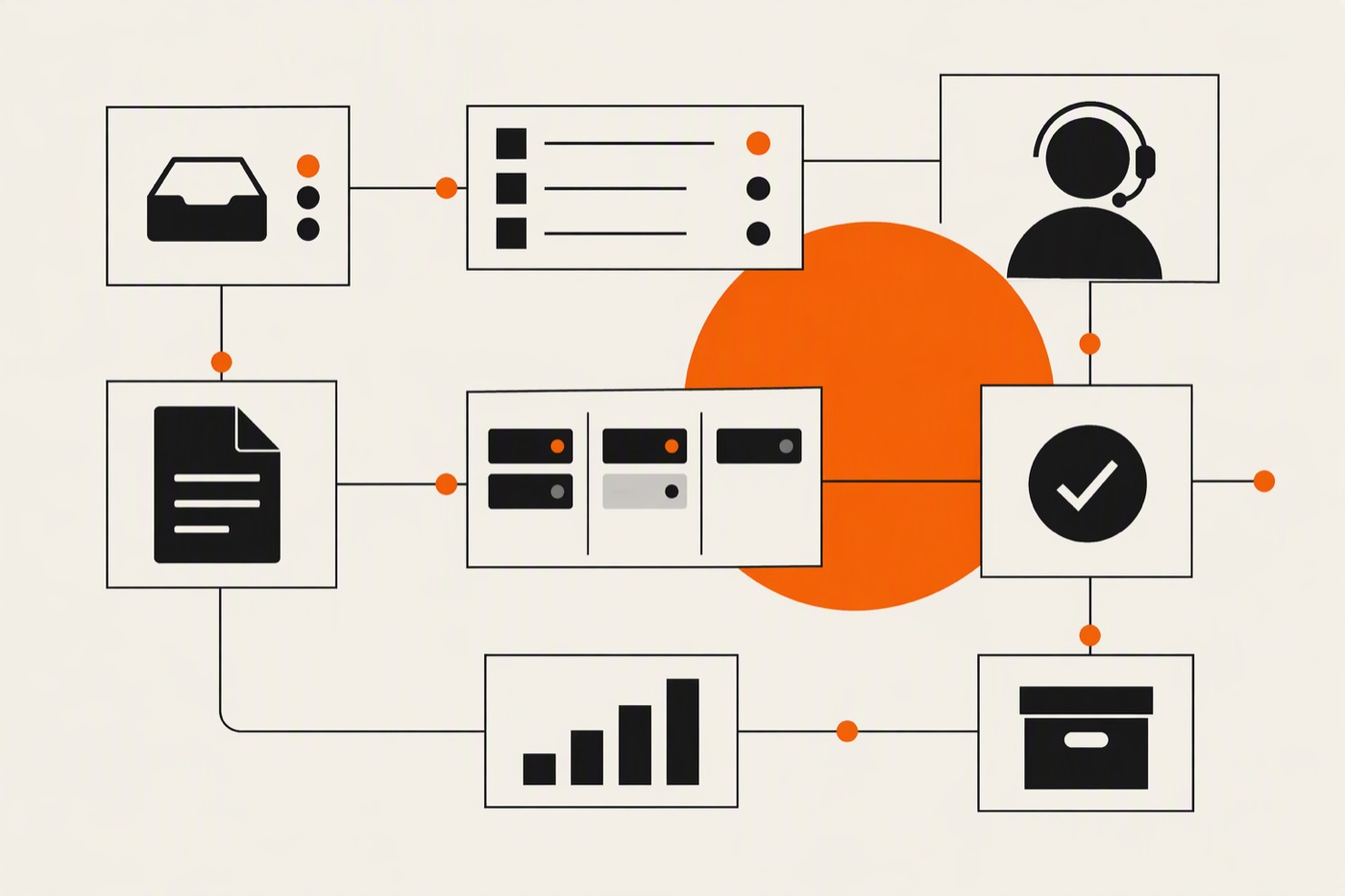
Abstract diagram of tickets flowing between several systems

01

KefuSystem

One operations platform for a service team

Independent Dev2026

Four systems and one spreadsheet, collapsed into a single pipeline.

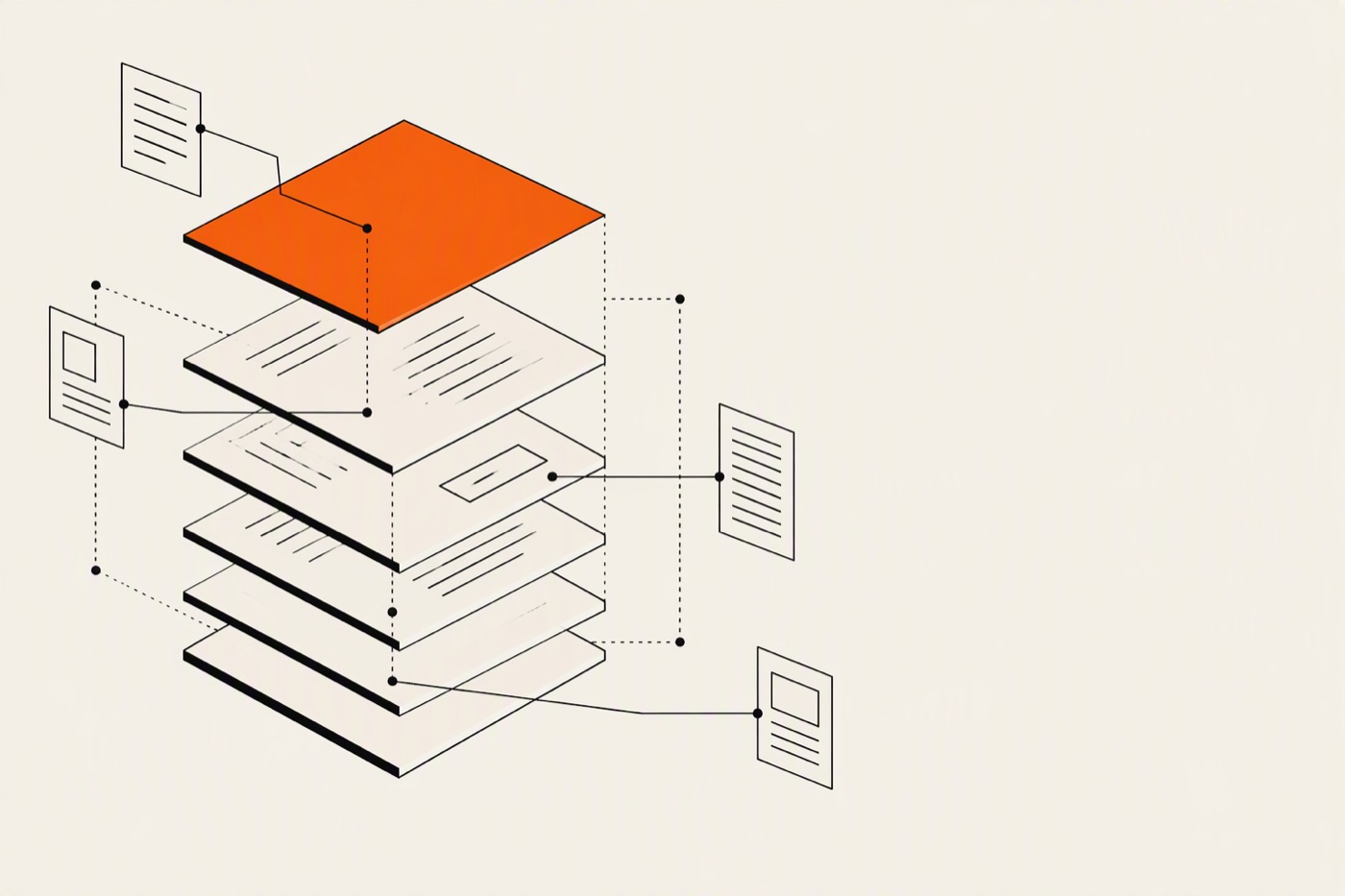
Layered knowledge structure and its retrieval path

02

AI Ticket Assistant

A Chrome extension living inside the ticket system

Independent Dev2026

Read the ticket, find the wording, write the reply — three steps into one.

Repetitive tickets flowing into an automatic channel while a few branches return to a human

03

Automated Ticket Handling

An agent framework and reusable skills

Independent Dev2026

First decide which tickets should never touch a human, then automate.

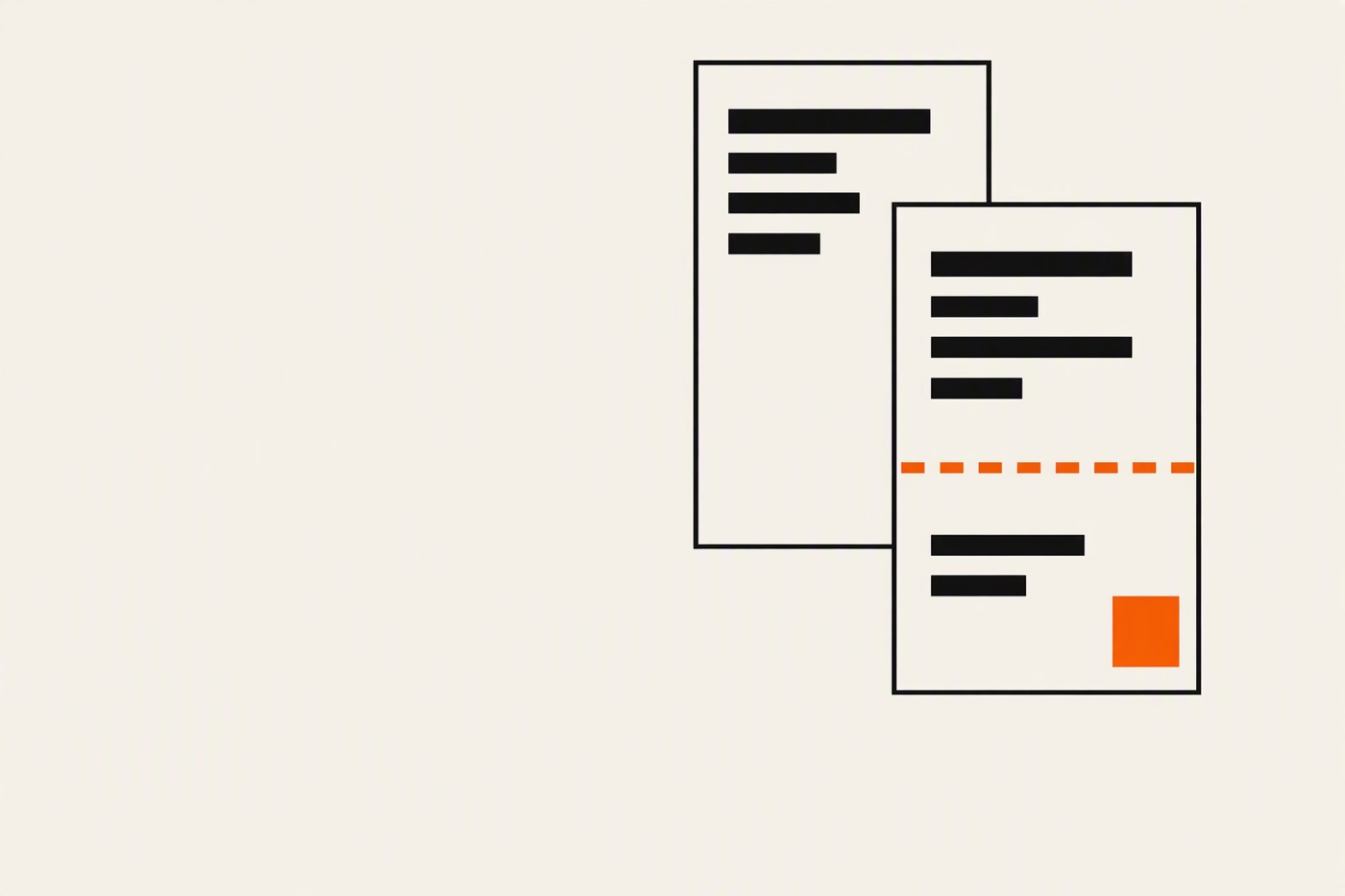
Two abstract electronic invoices with a validation marker

04

Invoicing POC

The smallest possible test of customer self-service invoicing

Independent Dev2026

Let customers issue their own invoices — and route exceptions back to a human.

Bar chart and trend line showing a self-service resolution rate

05

Help Centre & Knowledge Base

Rebuilding the FAQ information architecture

Product Design2021 — 2026

Rather than piling up documents, capture 200 answers people can cite.

Grid of service steps marked with time limits

06

SLA ≤ 10 Minutes

Support system and cross-region process design

Product Design2021 — 2026

A 30-minute queue was not a headcount problem. It was a triage problem.

Directory hierarchy with permission levels marked

07

AD Account Automation

Endpoint standardisation and the permission lifecycle

Ops & Quality2019 — 2021

Joiner and leaver permissions should not depend on someone remembering.

Production-line test gates and a bulk deployment flow

08

Factory Test SOP

IP phone quality and bulk provisioning

Ops & Quality2017 — 2019

Production lines do not need heroes. They need first-pass yield.

Before / After

One metric, measured twice

Before After Bar length is the relative size of the same metric before and after the change — shorter is better

  • Online queue · VIP users

    −93%

    Before30 min
    After2 min
  • Online queue · free users

    −50%

    Before30 min
    After15 min
  • Per-device configuration

    −80%

    Before15 min
    After3 min
  • Production defect rate

    −72%

    Before1.8%
    After0.5%
  • ×3Bulk software upgrade efficiency
  • −40%Return-to-factory rate
  • −50%Total live-stream interruption time
  • +25%Self-service resolution rate
  • +40%Front-line retrieval efficiency

Every figure compares the same metric before and after a change, taken from actual work records. Company and product names are anonymised, and no client testimonial is quoted.

04How I Work

These five are not copied out of a book. They were validated — and repeatedly knocked down — while taking calls, building rosters, writing scripts and running a team.

  1. 01

    Take the problem first, define it second

    What a user describes is almost never the real need. On the first pass, let them finish and write it down; on the second, ask “if this is solved, what will you still run into?”. Three hundred complex tickets a month taught me one thing above all: do not rush to an answer.

  2. 02

    Rewrite firefighting as prevention

    Every manual rescue has to leave something behind: a knowledge entry, a script, a test gate. Move rework earlier and turn it into interception, and only then can a team take on more volume.

  3. 03

    Case → capture → enablement

    Solving the hard case is not the end of it. Root cause and fix must become an entry and a training case, or the next new hire still turns around and asks a colleague. Across a 24-person technical service organisation, this was the one step I never allowed myself to skip.

  4. 04

    Argue with the smallest verifiable version

    Rather than debate a proposal in a review meeting, build something clickable that three people can actually use. The self-built platform got to v3.4.0 because every single week somebody was really using it.

  5. 05

    Only measure what deserves changing

    First be clear who does what differently once this number moves. A metric you cannot answer that for is a metric you should not build — moving SLA from after-the-fact counting to live visibility happened because of exactly this rule.
05Experience

06Contact

If you are looking for someone in IT support who can both take the call and build the process, the knowledge base and the tooling around it — let’s talk.

kingsley94@163.com

Press the button on the right and the address is copied to your clipboard.

WeChatScan to add — please mention why you are writing